Visual reference library
Compare visible wood symptoms and assembly details. Use visual observations to frame an investigation without treating appearance as a diagnosis.
Explore by subject
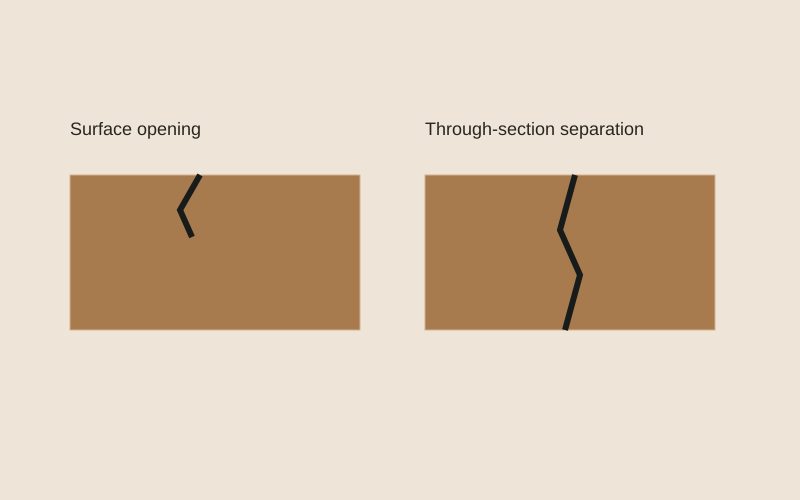
Describe a crack before deciding what it means
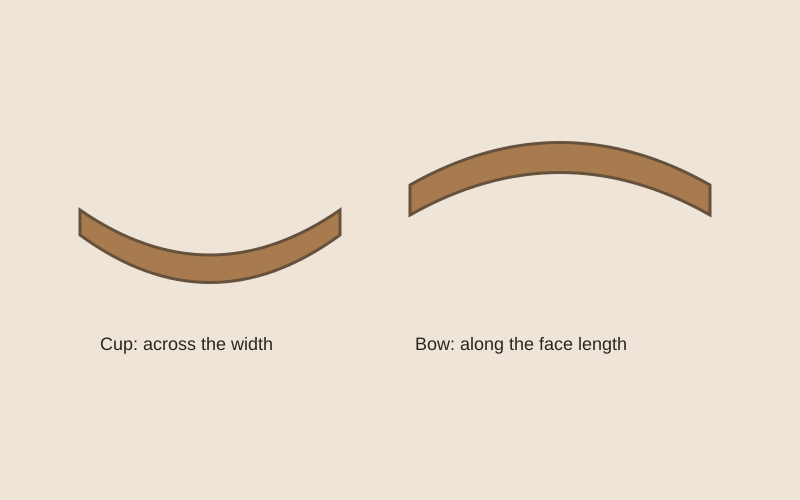
Map board shape instead of calling every distortion warp
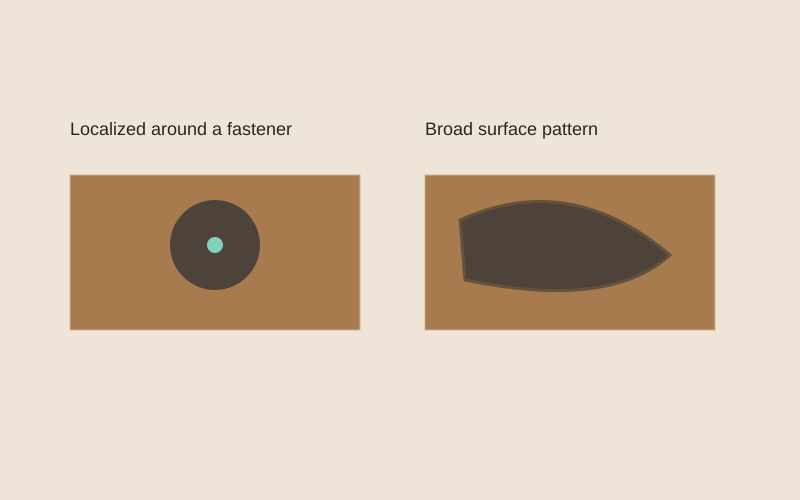
Investigate surface staining without assuming decay or corrosion
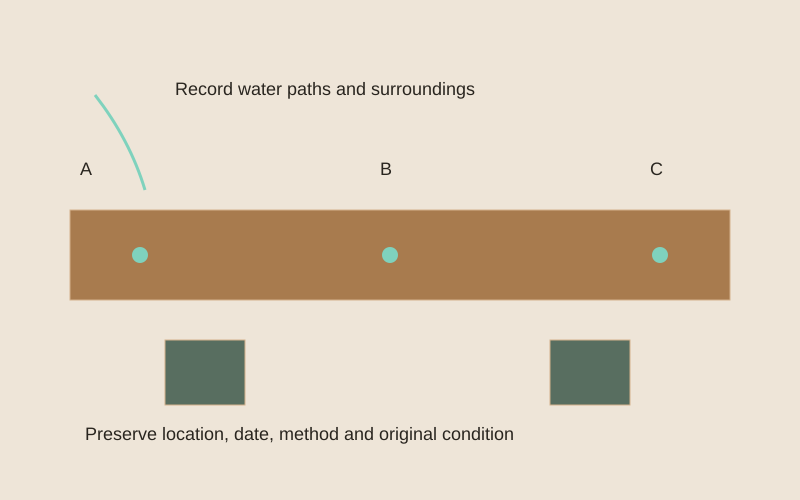
Document a loose connection before reaching for a driver
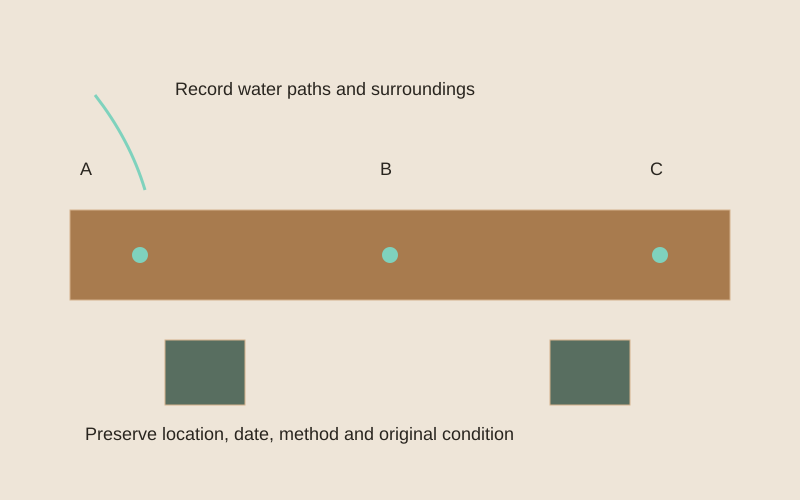
Build a moisture investigation around locations and repeat readings
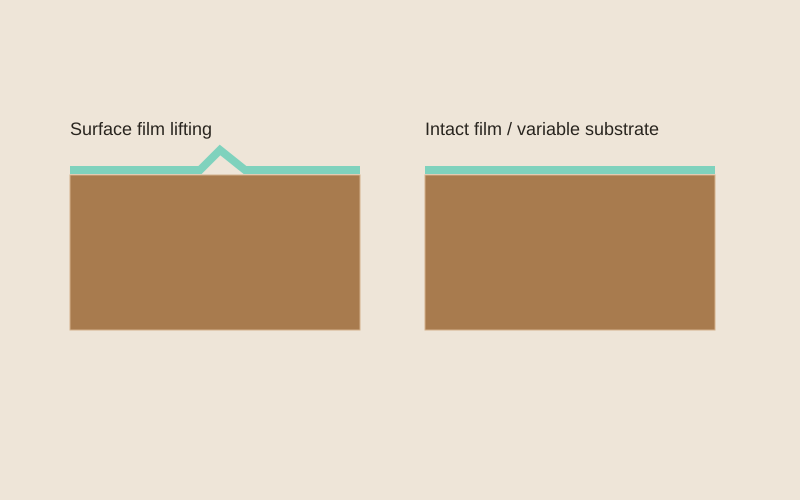
Separate finish appearance from the underlying condition
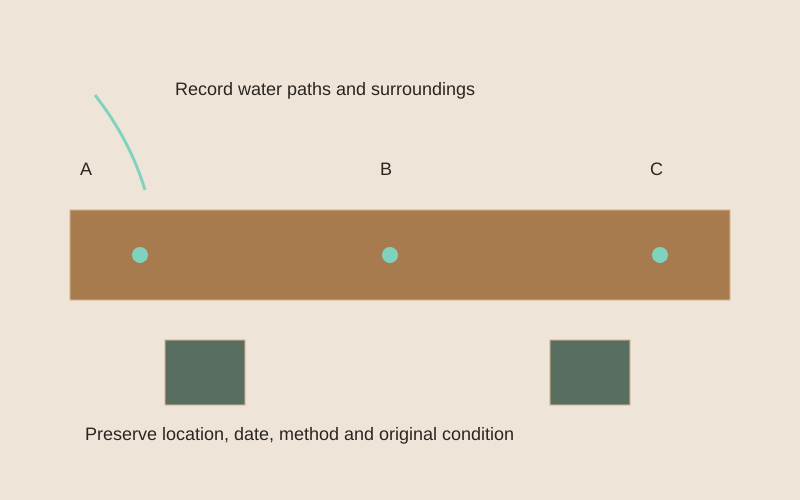
Create an evidence record that survives the repair
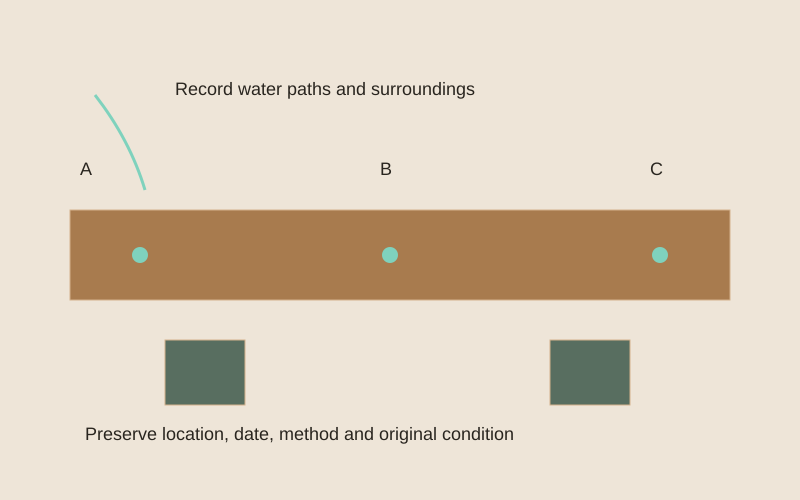
Choose repair or replacement with an explicit decision record
Record and method references
Keep four kinds of information separate
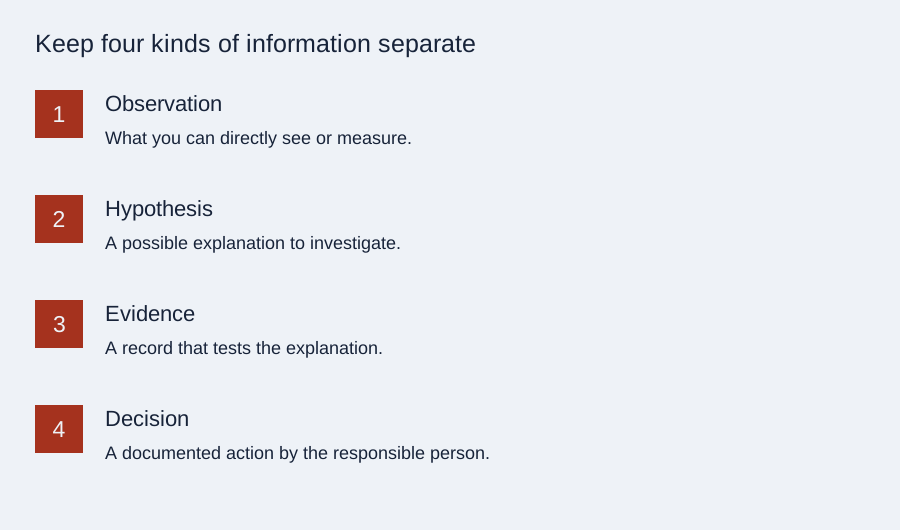
Observation: What you can directly see or measure.
Hypothesis: A possible explanation to investigate.
Evidence: A record that tests the explanation.
Decision: A documented action by the responsible person.
Describe the direction of distortion
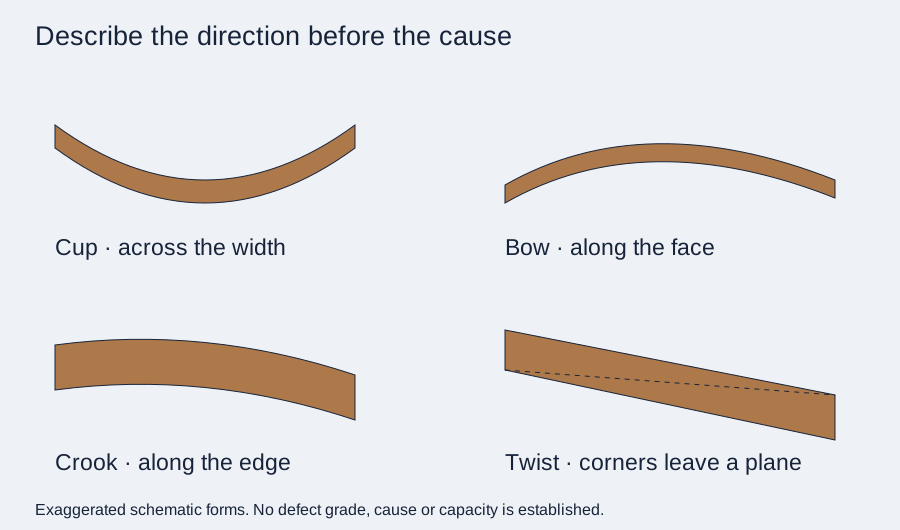
Cup: Curvature across a board’s width.
Bow: Curvature along the face length.
Crook: Curvature along an edge.
Twist: Corners depart from one plane.
Three scales make a useful photo record
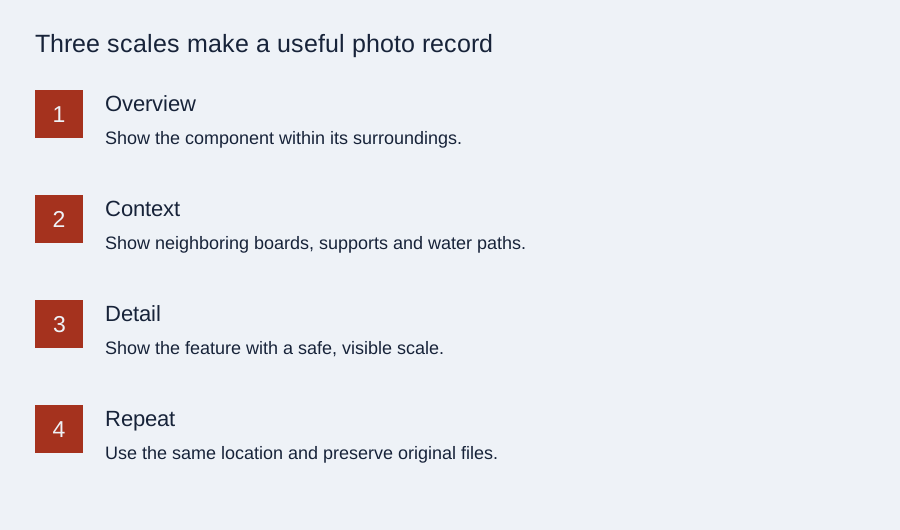
Overview: Show the component within its surroundings.
Context: Show neighboring boards, supports and water paths.
Detail: Show the feature with a safe, visible scale.
Repeat: Use the same location and preserve original files.