Field library
Purpose-built guides for the next decision. Each includes a practical record, example and limits.
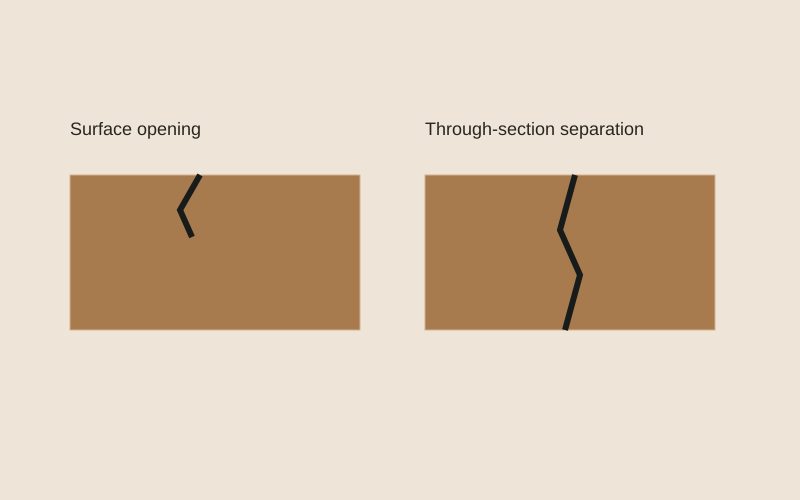
Describe a crack before deciding what it means
Document crack location, visibility, and change while keeping observed features separate from conclusions about cause or safety.
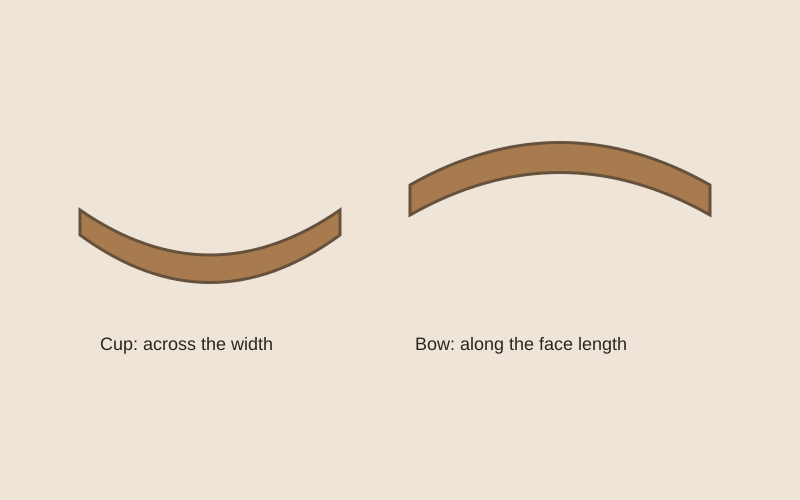
Map board shape instead of calling every distortion warp
Distinguish cross-width and along-length observations, record reference points, and investigate the assembly around the board.
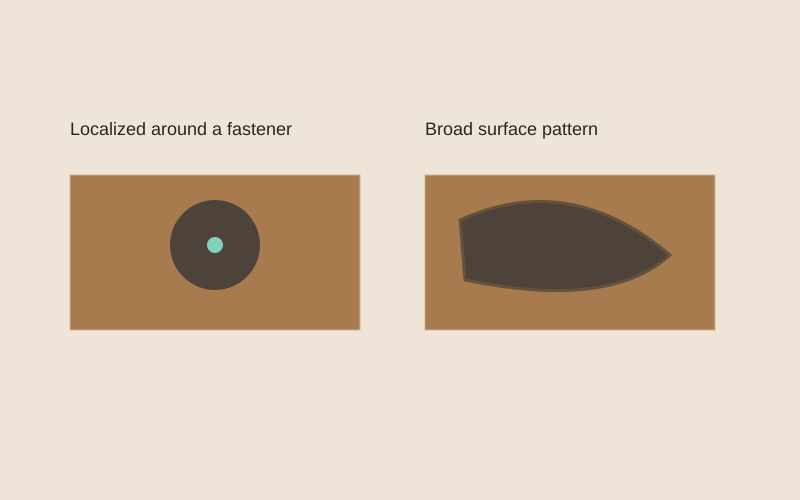
Investigate surface staining without assuming decay or corrosion
Use distribution, history, and controlled documentation to distinguish a visible color change from an established cause.
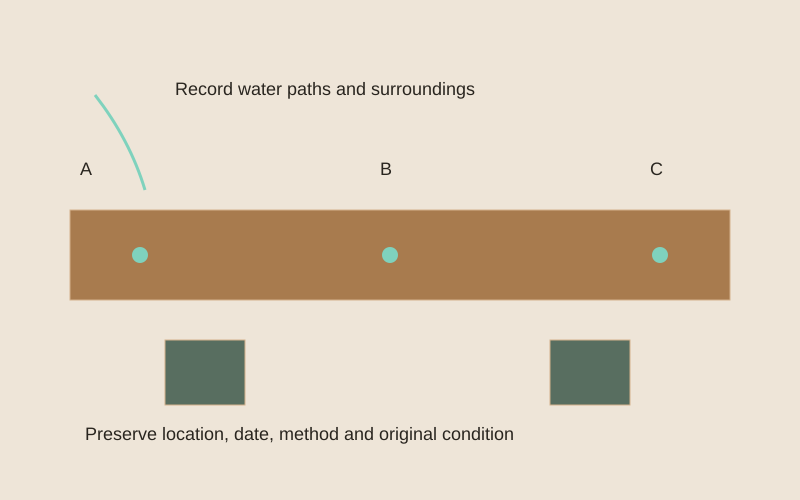
Document a loose connection before reaching for a driver
Capture movement and component identity so a repair addresses the connection rather than simply changing the visible screw position.
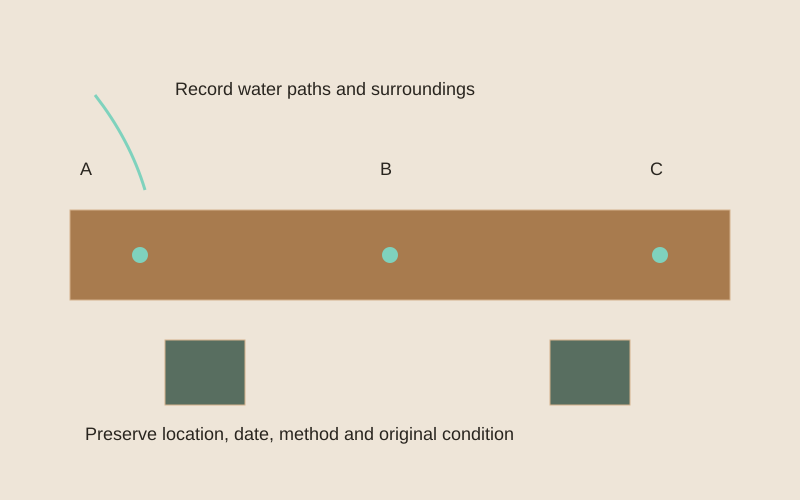
Build a moisture investigation around locations and repeat readings
Use a documented measurement plan to investigate wetting patterns while recognizing the limits of a single moisture reading.
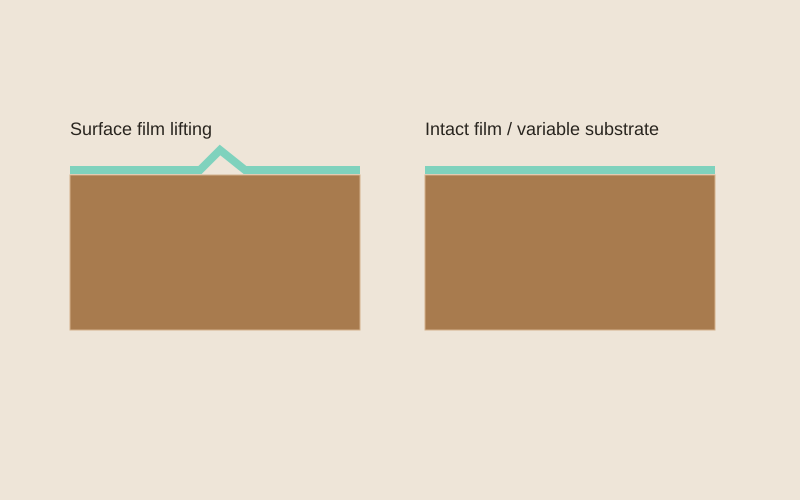
Separate finish appearance from the underlying condition
Document peeling, uneven color, tackiness, or wear before deciding whether preparation, exposure, or another factor needs investigation.
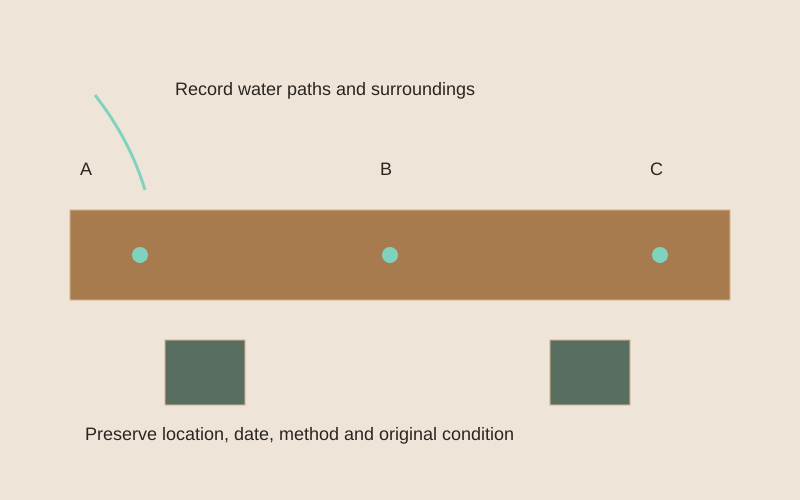
Create an evidence record that survives the repair
Organize locations, photographs, chronology, product records, and open questions without turning assumptions into findings.
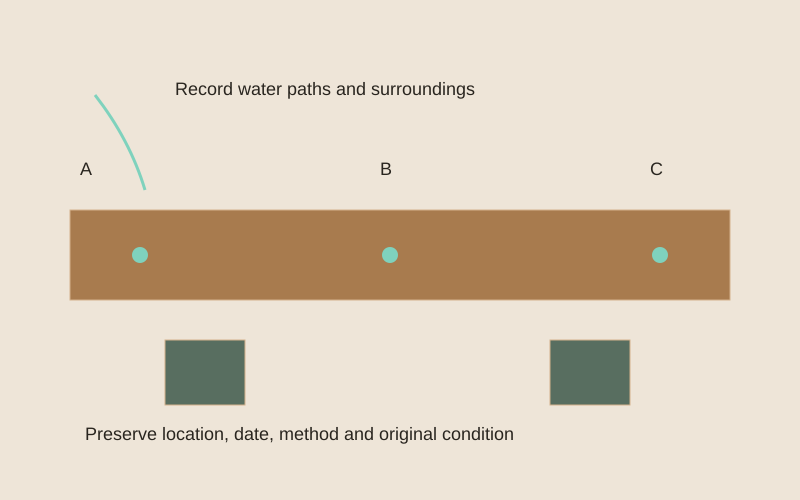
Choose repair or replacement with an explicit decision record
Compare practical options after the condition is assessed, keeping appearance, function, and unresolved risk as distinct questions.