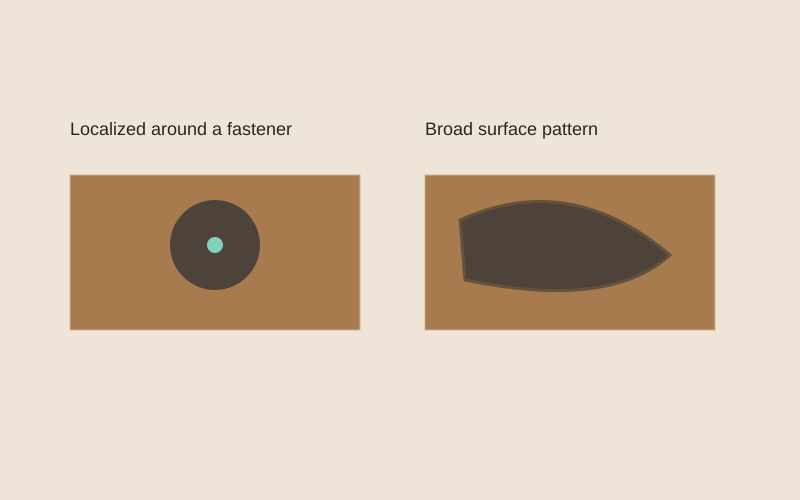
- Map whether discoloration follows hardware or extends across the surface.
- Several causes can produce similar dark appearances; pattern alone is not identification.
- These are explanatory patterns, not specimen photos, mold identification or verified corrosion evidence.
Describe the pattern
Record color, shape, boundaries, and location using plain language. Note whether marks follow fasteners, runoff paths, stored objects, shaded areas, or coating edges. Photograph a wide view and a close view under reasonably consistent lighting. Do not diagnose a biological, chemical, or metal-related cause merely because an online example has a similar color.
Collect the contact history
List recent cleaners, finishes, metalwork, fertilizers, furniture, planters, and construction activities near the affected area. Record products by exact name if known and keep unknown exposures separate. Ask when the mark was first noticed, not only when it was reported. An event preceding a stain is a useful lead, but the sequence alone does not prove causation.
Separate wood and hardware questions
Inspect accessible adjacent hardware visually and record observations without removing structural parts casually. USDA's finishing guidance discusses discoloration among exterior wood concerns. A mark around a fastener should therefore prompt documentation of both the wood surface and component identity, rather than an automatic finding that the screw has lost capacity or the wood has decayed.
Plan a limited evaluation
Before cleaning, preserve photographs and any evidence a specialist may need. If a cleaning trial is appropriate, use the product's instructions and a discreet, documented area approved for the purpose. Record the product, method, and resulting appearance. Do not mix cleaners or turn a successful color change into proof of a specific cause or restored material condition.
Review recurrence and implications
Compare the trial with an untreated reference area and later photographs. Record whether the mark returns and whether an associated wetting or contact condition remains. Decide separately whether the issue is cosmetic, requires material identification, or warrants condition assessment. Keeping those questions separate avoids both unnecessary replacement and unsupported reassurance based solely on improved appearance.
Practical checklist
- Map the stain and its neighboring materials.
- Record contact and treatment history.
- Preserve evidence before a cleaning trial.
- Keep appearance improvement separate from condition assessment.
Worked example
Hypothetical example: a planter-shaped dark area fades after an approved cleaning trial but returns after watering. The owner records the recurrence and wetting pattern; the report does not claim the cleaner proved a particular fungus or confirmed soundness beneath the surface.
Limits of this guide
Color alone cannot identify decay, mold species, corrosion severity, or chemical contamination. This guide supplies no cleaning chemistry or health diagnosis. Follow product instructions and obtain the relevant specialist assessment when the cause or material condition matters.
Continue the decision
Separate finish appearance from the underlying condition
Build a moisture investigation around locations and repeat readings
Create an evidence record that survives the repair
Start an investigation